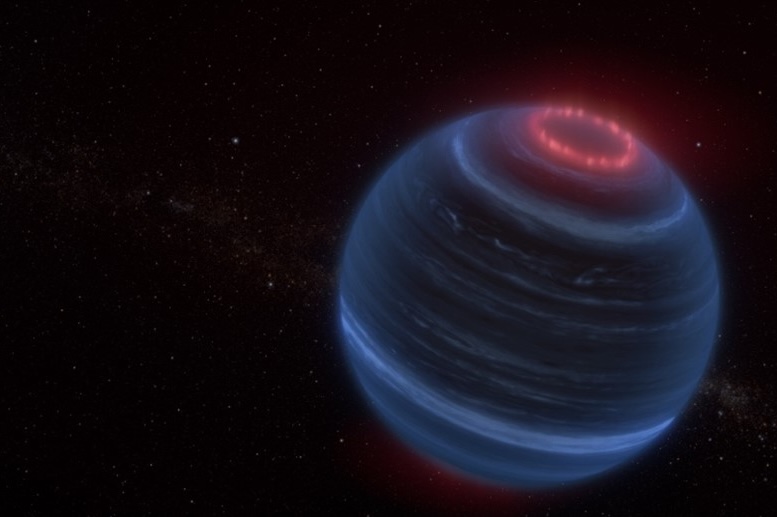
A premier program in Astronomy research and education
The Department of Astronomy works synergistically with McDonald Observatory to advance excellence in research and education and to be an astronomy program that promotes belonging and respect for all. As one of the top-ranked astronomy programs in the nation, we lead frontier research in cosmology, galaxy formation and evolution, stellar evolution and star formation, exoplanetary systems, the Solar system, and instrumentation. We are a major founding partner in the next generation Giant Magellan Telescope.
Read more »