






StarDate Radio programs are frequently based on research funded by the National Science Foundation (NSF) and the National Aeronautics and Space Administration (NASA)

January 2019
Skywatching in January
The dawn sky features the two brightest objects in the night sky after the Moon: the planets Venus and Jupiter. Venus is the brilliant Morning Star, while Jupiter, which is much bigger but also much farther, is not quite as dazzling. The Moon passes them twice during the month, adding to the early morning spectacle. Between those encounters, the Moon passes through Earth’s shadow, creating a total lunar eclipse. More skywatching information is available at StarDate.org
McDonald Observatory
StarDate Media
Register with our StarDate magazine service, "StarDate Media" to help your Web and broadcast media bring the excitement of skywatching events to your listeners and web site visitors. To receive advanced notice of upcoming skywatching events, email your request and your contact information to Rebecca Johnson at rjohnson@astro.as.utexas.edu. High-resolution images are available in our Image Gallery
Recent Highlights
January 7, 2019
X-rays
[Heidi Schweiker/WIYN/NOAO/AURA/NSF]
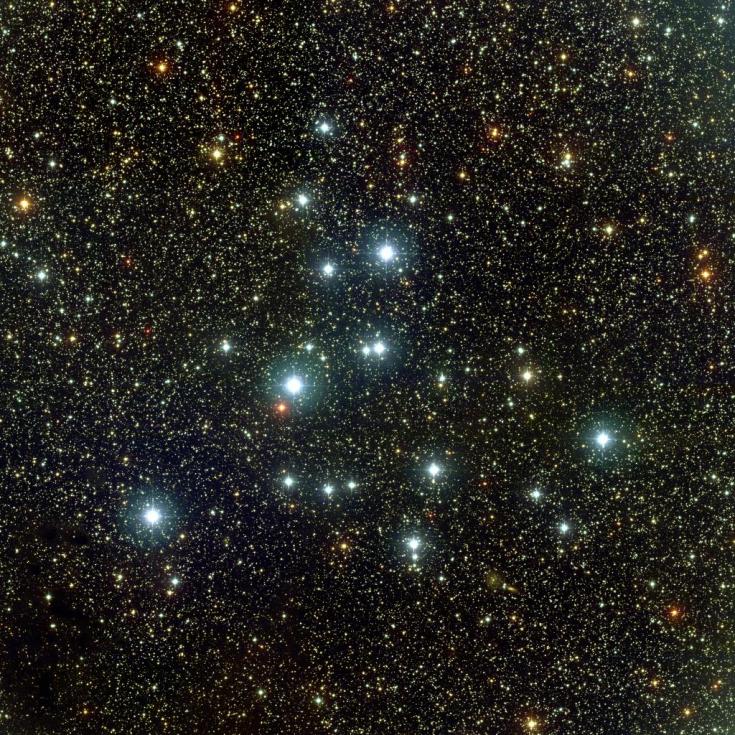
X-rays are good for a lot more than just diagnosing broken bones and bad teeth. They help astronomers understand some of the most powerful objects and events in the universe. Please join us for X-ray astronomy and more.
January 14, 2019
Moon Meanderings
[NASA/W.Stenzel]
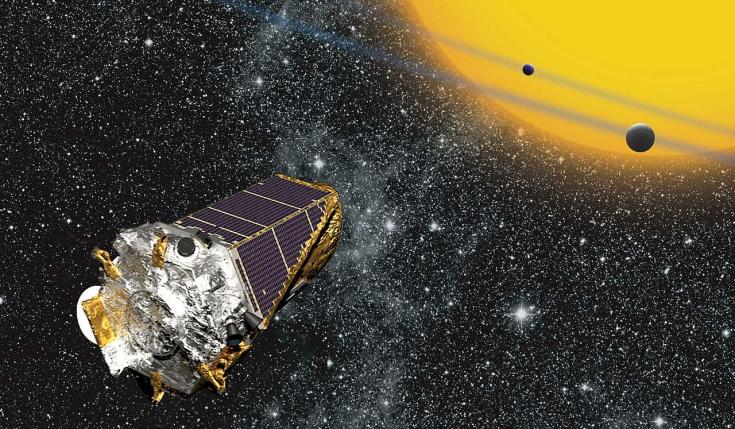
This artist's concept shows how Kepler Space Telescope discovers planets in other star systems. The telescope looks for a planet to pass in front of its star, blocking a bit of the star's light, making it look slightly fainter than normal. (Kepler operates from Earth orbit, so it never sees any star as more than a pinpoint of light, however.) Kepler has discovered thousands of confirmed or possible planets, even though it is a relatively small telescope. Even smaller telescopes on the ground also are discovering exoplanets.